

Our Ingredients

Certified Kobe Beef
We are one of just nine restaurants in the UK to serve certified Kobe beef.
To qualify as certified Kobe beef, it must come from Tajima Japanese Black cattle raised in Hyogo, Japan – which is usually only around 3,000 cattle each year, most of which remain in Japan. There is also an extensive range of additional criteria that all cuts must meet to be certified as Kobe. For e.g. they must be fed a specific diet consisting of dried grasses and special mixes of soybean, corn and barley, slaughtered between the age of 3 and 5 years, produce beef that has high marbling that meets tough grading criteria, meat quality score of 4 & 5 only.
Our Kobe sirloin steak is cooked on our unique 450° Celsius heated volcanic stone, an ancient cooking method called ‘Ishiyaki’ in Japanese.
Sanpuku Nori
Considered one of the finest varieties available, Sanpuku Nori is grown in the shallows of the Ariake Sea. A unique stretch of ocean, the Ariake Sea has over 100 rivers feeding fresh water and nutrients into the vast tidal flats creating optimal salinity for nori farming. Underwater at high tide, the nori absorbs the sea’s plentiful nutrients and minerals. When the water level falls below the nets at low tide, the exposed nori receives direct sunlight and an extra boost of photosynthesis. This natural cycle gives the nori of the Ariake sea an unrivalled melt-in-the-mouth softness, rich aroma, and concentrated umami flavour. We use Sanpuku nori in our premium handrolls and throughout our Omakase experience.


Koshihikari Rice
Widely considered the best sushi rice in the world, Japanese Koshihikari was cultivated in 1956 from two different strains of short-grain rice to create a hybrid that retains moisture for longer, making it perfect for sushi-shaping. With a distinctive texture and taste, Koshihikari is renowned for its consistency, aroma and natural sweetness. At Hot Stone, we source our Koshihkari from Niigata, Japan and use it in our maki rolls and sushi.
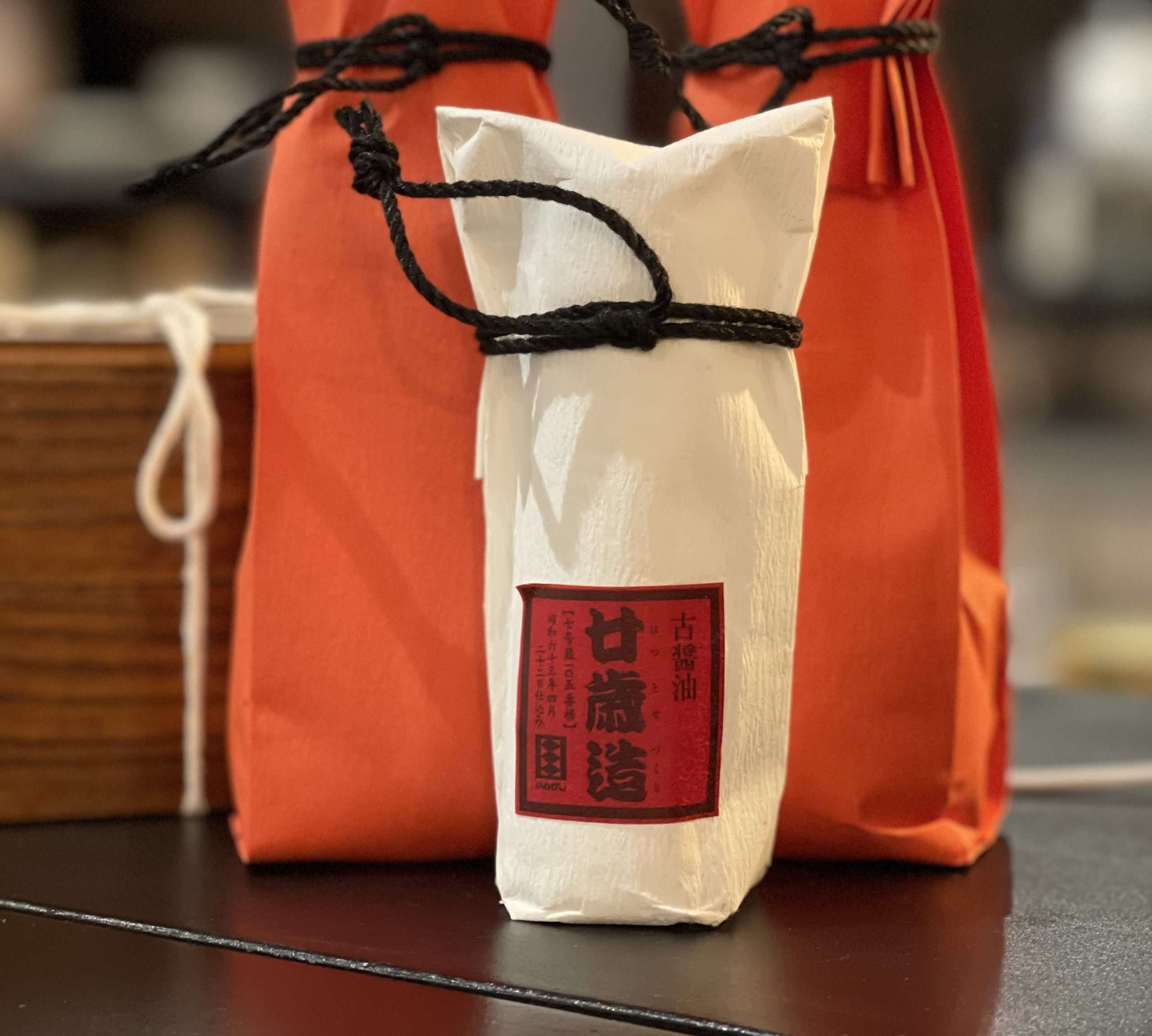
Aged Soy Sauce
We offer a range of different aged soy sauces, and the soy we select depends entirely on the fish it’s being served with. We believe that each fish needs a different level of flavour and salinity to bring out its natural umami to the fullest. Our range is extensive, with two, three, five, ten, twenty and thirty-year-old varieties used daily at our pass.
All our soy sauces are brewed in 100-year-old cedar barrels and sourced from the Okada family, who has been making soy sauce since 1753. They brew according to traditional methods passed down by generations and are the only brewers in Japan to use the old mushiro (woven mat) method of making the koji base, which forms the foundation of soy sauce.

Fresh Japanese Wasabi
Wasabia Japonica, more commonly known simply as wasabi, originated in Japan and has been widely used in authentic Japanese cookery since the 10th century. Unlike the often intense and overpowering pastes and condiments, fresh wasabi is subtle and aromatic, with a gentle note of spice and a predominantly herbal flavor. Notoriously challenging to cultivate, the wasabi plant thrives in Japan’s mountain regions, and our wasabi is sourced directly from there. We serve our fresh Japanese wasabi at the table using a sharkskin grater to ensure maximum flavor.



Certified Kobe Beef
We are one of just eight restaurants in the UK to serve certified Kobe beef.
To qualify as certified Kobe beef, it must come from Tajima Japanese Black cattle raised in Hyogo, Japan – which is usually only around 3,000 cattle each year, most of which remain in Japan. There is also an extensive range of additional criteria that all cuts must meet to be certified as Kobe. For e.g. they must be fed a specific diet consisting of dried grasses and special mixes of soybean, corn and barley, slaughtered between the age of 3 and 5 years, produce beef that has high marbling that meets tough grading criteria, meat quality score of 4 & 5 only.
Our Kobe sirloin steak is cooked on our unique 400 degrees Celsius heated volcanic stone, an ancient cooking method called ‘Ishiyaki’ in Japanese.

Sanpuku Nori
Considered one of the finest varieties available, Sanpuku Nori is grown in the shallows of the Ariake Sea. A unique stretch of ocean, the Ariake Sea has over 100 rivers feeding fresh water and nutrients into the vast tidal flats creating optimal salinity for nori farming. Underwater at high tide, the nori absorbs the sea’s plentiful nutrients and minerals. When the water level falls below the nets at low tide, the exposed nori receives direct sunlight and an extra boost of photosynthesis. This natural cycle gives the nori of the Ariake sea an unrivalled melt-in-the-mouth softness, rich aroma, and concentrated umami flavour. We use Sanpuku nori in our premium handrolls and throughout our Omakase experience.

Koshihikari Rice
Widely considered the best sushi rice in the world, Japanese Koshihikari was cultivated in 1956 from two different strains of short-grain rice to create a hybrid that retains moisture for longer, making it perfect for sushi-shaping. With a distinctive texture and taste, Koshihikari is renowned for its consistency, aroma and natural sweetness. At Hot Stone, we source our Koshihkari from Niigata, Japan and use it in our maki rolls and sushi.

Aged Soy Sauce
We offer a range of different aged soy sauces, and the soy we select depends entirely on the fish it’s being served with. We believe that each fish needs a different level of flavour and salinity to bring out its natural umami to the fullest. Our range is extensive, with two, three, five, ten, twenty and thirty-year-old varieties used daily at our pass.
All our soy sauces are brewed in 100-year-old cedar barrels and sourced from the Okada family, who has been making soy sauce since 1753. They brew according to traditional methods passed down by generations and are the only brewers in Japan to use the old mushiro (woven mat) method of making the koji base, which forms the foundation of soy sauce.

Fresh Japanese Wasabi
Wasabia Japonica, more commonly known simply as wasabi, originated in Japan and has been widely used in authentic Japanese cookery since the 10th century. Unlike the often intense and overpowering pastes and condiments, fresh wasabi is subtle and aromatic, with a gentle note of spice and a predominantly herbal flavor. Notoriously challenging to cultivate, the wasabi plant thrives in Japan’s mountain regions, and our wasabi is sourced directly from there. We serve our fresh Japanese wasabi at the table using a sharkskin grater to ensure maximum flavor.